





When the moment arrives and Theo is unresponsive, it’s like discovering your favorite coffee shop has run out of espresso—utterly shocking and slightly panic-inducing. In a world where communication is key, finding someone unresponsive can feel like trying to reach a cat in a tree. It’s frustrating, it’s confusing, and let’s be honest, it can throw a wrench in even the best-laid plans.
But don’t fret just yet. Understanding the steps to take after determining Theo’s unresponsiveness can transform a chaotic situation into a manageable one. Whether it’s a friend who’s gone radio silent or a colleague who’s mysteriously vanished from the chat, knowing how to navigate this uncharted territory is essential. Buckle up as we dive into the do’s and don’ts of handling unresponsive situations with grace, humor, and a touch of professionalism.
Understanding Unresponsiveness in Theo
Unresponsiveness in Theo signifies a critical situation. Recognizing signs of unresponsiveness becomes essential. Communication barriers often lead to confusion, especially when it seems unexpected. Shock can reveal itself when trying to engage with Theo and receiving no reply. Frustration might set in when faced with silence from someone who typically engages.
Physical indicators clarify unresponsiveness further. Low eye contact can signal disinterest or discomfort. Slumped posture often accompanies disengagement. Changes in breathing may also reflect a lack of alertness. These signs warrant immediate attention.
Effective steps can reverse the chaos caused by unresponsiveness. Direct questions can prompt a response from Theo. A calm tone encourages openness, while assurance of support fosters a safe environment. Offering personal space might give Theo the chance to regroup emotionally.
Do’s and don’ts guide interactions with unresponsive individuals. Always approach with kindness and patience. Ignoring the situation or showing irritation escalates tension. Exploring alternative communication methods remains advisable when verbal exchanges fail. Non-verbal cues or written messages might provoke a reaction.
Knowing these strategies helps navigate unresponsive scenarios. Support networks provide additional resources for handling emotional states. Identifying community services or professional help proves beneficial when unresponsiveness persists.
Causes of Unresponsiveness

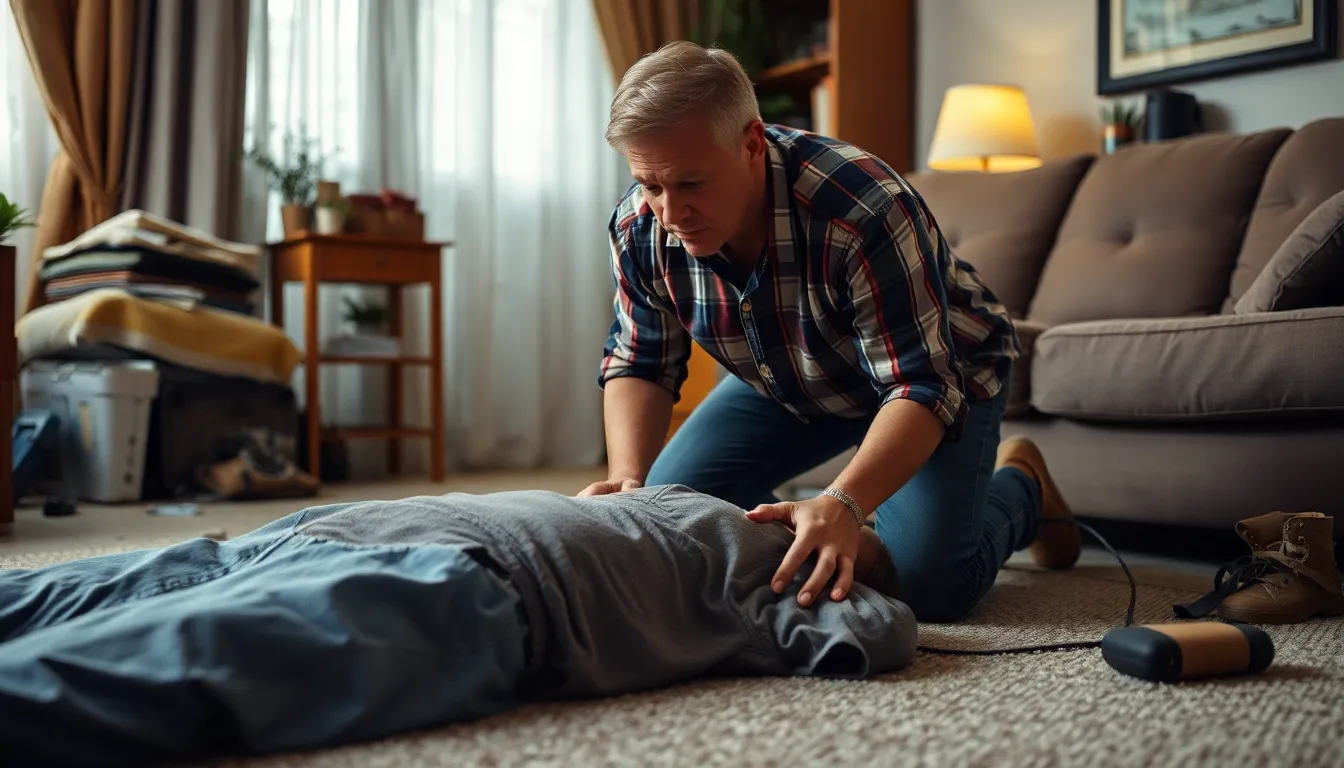
Unresponsiveness can stem from various causes, requiring careful consideration. Understanding these causes aids in effectively addressing the situation.
Medical Conditions
Medical conditions frequently play a significant role in unresponsiveness. Conditions like stroke, seizures, and diabetic emergencies can quickly impair communication. Acute illnesses such as infections may also result in altered consciousness. Neurological disorders, including Alzheimer’s disease and Parkinson’s disease, often affect cognitive functions and responsiveness. Substance abuse, including alcohol and drugs, may decrease awareness or induce a state of unconsciousness. Recognizing the underlying medical issues can facilitate timely interventions.
Environmental Factors
Environmental factors can contribute to an individual’s unresponsiveness as well. Sudden changes in surroundings, such as loud noises or chaotic situations, often overwhelm individuals. Unfamiliar environments may increase anxiety, leading to withdrawal. Additionally, extreme temperatures, whether hot or cold, negatively impact physical and mental functions. Poor air quality also poses risks to cognitive performance and alertness. Identifying these environmental triggers can help address unresponsiveness effectively.
Steps to Take After Determining That Theo Is Unresponsive
Recognizing Theo’s unresponsiveness requires immediate action. Prioritizing assessment and help ensures the best possible outcome.
Assessing the Situation
Begin by observing Theo’s physical state closely. Check for responsiveness through gentle shaking or calling their name. Assess breathing patterns and look for any signs of distress. Verify the environment for potential hazards, such as extreme temperatures or loud noises. Pay attention to the duration of unresponsiveness, as longer periods may indicate serious issues. Gather any relevant medical information, including prior conditions and medications, which may influence the situation. These steps provide crucial insights to determine subsequent actions.
Calling for Help
Contact emergency services immediately if Theo remains unresponsive after initial assessments. Provide clear details about the situation, including observable symptoms and relevant medical history. Ensure the call is made from a safe location, allowing for quick access when help arrives. Inform bystanders of the situation so they can offer assistance or follow instructions. Continue to monitor Theo’s condition while awaiting help, maintaining supportive communication if possible. These actions create a safer environment and facilitate prompt medical intervention.
Potential Outcomes and Considerations
Determining that Theo is unresponsive prompts immediate considerations. Responses vary based on the short-term and long-term effects that follow.
Short-Term Implications
Immediate medical assistance is crucial. Emergency services should evaluate Theo to prevent any potential deterioration. Physical assessments will focus on vital signs and any visible injuries. Quick action can mitigate serious consequences that may arise from prolonged unresponsiveness. Emotional reactions of bystanders also warrant attention, as the presence of shock or panic can complicate the situation. Ensuring a calm environment helps maintain clarity during this critical time. Support from friends or family members provides additional emotional stability for others involved.
Long-Term Effects
Prolonged unresponsiveness can lead to lasting repercussions. Recovery might include physical rehabilitation, depending on underlying medical conditions. Mental health implications may surface, affecting both Theo and those close to him. Communication difficulties could persist if neurological issues are involved. Long-term support systems play a vital role in the recovery process. These can include therapy or continual medical check-ups, which facilitate comprehensive care. Addressing any lingering effects promptly aids in managing the transition back to everyday life.
Addressing unresponsiveness is crucial for ensuring the well-being of individuals like Theo. Immediate action can significantly impact the outcome and recovery process. By assessing the situation carefully and seeking timely medical assistance, one can create an environment conducive to healing.
It’s essential to remain calm and supportive during such distressing moments. Understanding the underlying causes of unresponsiveness can guide effective interventions and foster better communication. Long-term support systems play a vital role in recovery, emphasizing the need for ongoing care and emotional support. By taking these steps, individuals can navigate the complexities of unresponsiveness with confidence and compassion.