





In today’s fast-paced business world, security isn’t just a luxury—it’s a necessity. Imagine running your operation without a watchful eye, like a chef without a spatula. That’s where CCTV swoops in like a superhero, ready to safeguard assets and provide peace of mind.
Investing in a solid CCTV system isn’t just about catching the bad guys; it’s about creating a safer environment for employees and customers alike. With the right setup, businesses can monitor activity in real-time, deter potential troublemakers, and even keep tabs on the office coffee supply (because we all know how serious that can get).
Importance of CCTV for Business
CCTV systems play a vital role in enhancing security for businesses. This technology not only prevents crime but also promotes a safe environment for employees and customers.
Crime Prevention
CCTV significantly deters criminal activity. By monitoring entry points and high-risk areas, businesses create a visible security presence. These cameras capture footage that helps identify criminals, providing valuable evidence for law enforcement. Moreover, the mere presence of surveillance cameras often discourages opportunistic theft and vandalism. Many studies show that businesses with CCTV systems experience lower burglary rates. Effective supervision prevents losses and maintains a secure atmosphere, contributing to overall business success.
Employee Safety
CCTV systems enhance employee safety in various ways. Surveillance cameras monitor workspaces to ensure compliance with safety regulations. This monitoring helps prevent workplace accidents, promoting a culture of safety. Employees feel more secure in locations with visible cameras, leading to a positive work environment. Additionally, in cases of conflict or harassment, recorded footage offers crucial insights into incidents. Maintaining a safe and healthy workplace attracts talent and retains current employees, ultimately benefiting the business.
Types of CCTV Systems
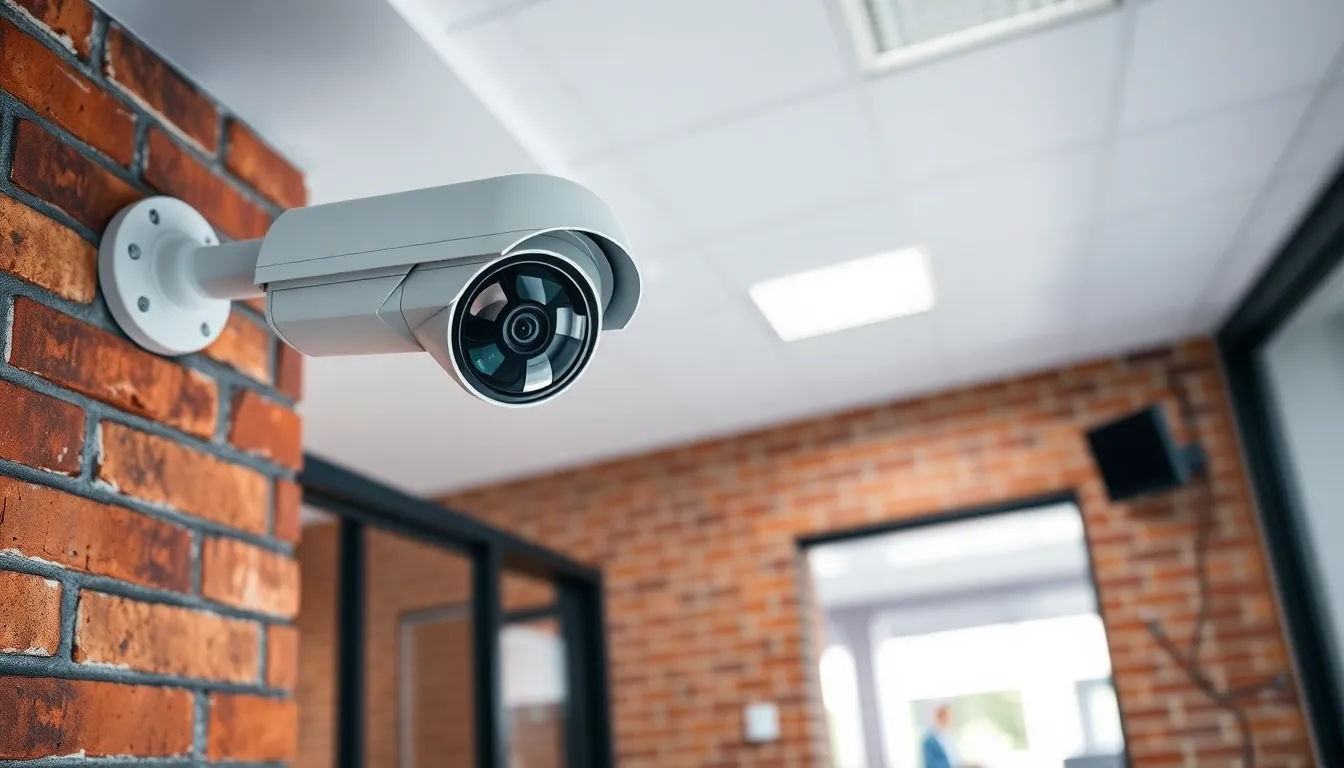
Selecting the right CCTV system involves understanding various types and technologies available. Businesses can choose between multiple camera options and configurations to meet their specific security needs.
Analog vs. Digital Cameras
Analog cameras transmit video through coaxial cables. These cameras generally offer lower resolution, resulting in less clarity. Digital cameras, however, use IP technology for video transmission, delivering higher image quality with enhanced features like remote access. Often, digital systems integrate easily with modern networking infrastructure. Businesses favor digital cameras for their superior performance and capabilities in various lighting conditions.
Wireless vs. Wired Systems
Wireless CCTV systems operate without physical cables, making installation more flexible and less invasive. These systems excel in areas where cabling is difficult or impractical. Wired systems, on the other hand, provide a more stable and reliable connection. They reduce the risk of interference and bandwidth issues, which can affect video quality. Though wired installations might require more effort upfront, many businesses opt for this solution for long-term reliability and consistent performance.
Key Features to Consider
Selecting the right CCTV system involves evaluating key features essential for business security. Prioritizing these features enhances the effectiveness of surveillance.
Resolution and Image Quality
Resolution significantly impacts image quality and clarity. Higher resolution, measured in megapixels, delivers sharper images, facilitating the identification of individuals and license plates. A minimum of 1080p (Full HD) is recommended for most business applications. Digital cameras provide enhanced image quality compared to their analog counterparts. Investing in cameras that output higher pixel counts improves the likelihood of capturing clear footage during critical incidents. Additionally, features like optical zoom allow for detailed images at a distance, broadening the coverage without sacrificing clarity.
Night Vision and Motion Detection
Night vision capability is crucial for 24/7 surveillance. Infrared technology enhances visibility in low-light environments, ensuring security even when natural light fades. Motion detection features alert users to movement in monitored areas. These alerts reduce unnecessary recordings, conserving storage space and simplifying incident reviews. Businesses benefit from adjustable sensitivity levels that minimize false alarms caused by environmental factors such as wind or animals. Opting for models with advanced analytics can further improve monitoring accuracy, providing actionable insights for security management.
Installation and Maintenance
Effective installation and maintenance are crucial for maximizing the benefits of CCTV systems in business environments.
Professional Installation vs. DIY
Professional installation offers the advantage of expertise. Technicians ensure cameras are optimally placed, covering key areas while adhering to local regulations. They conduct thorough assessments to identify potential blind spots. DIY installations may save costs but often lack this level of professional insight. Individuals might overlook critical details, leading to ineffective surveillance. Moreover, improper installation can result in warranty issues or decreased system performance. Heed the difference: investing in professional services often pays off in enhanced security and reliability.
Regular Maintenance Tips
Regular maintenance ensures CCTV systems function at peak performance. Schedule inspections every six months to check camera alignment and lens cleanliness. Dust and dirt can obscure vital footage, so cleaning lenses and sensors proves essential. Testing the recording features regularly helps confirm that data is captured correctly. Ensure that storage devices function properly and replace them when needed to avoid data loss. Updating the firmware keeps security features current, mitigating vulnerabilities. By prioritizing these maintenance tasks, businesses enhance the longevity and effectiveness of their CCTV systems.
Investing in a quality CCTV system is essential for any business aiming to enhance security and foster a safe environment. With the right choice of cameras and features tailored to specific needs, businesses can effectively deter crime and protect valuable assets.
The benefits extend beyond security; a well-implemented CCTV system can improve employee safety and streamline daily operations. Regular maintenance and professional installation further ensure that these systems function optimally, providing peace of mind for business owners and employees alike.
By prioritizing security through CCTV, businesses not only safeguard their premises but also create a culture of safety that attracts and retains talent.