




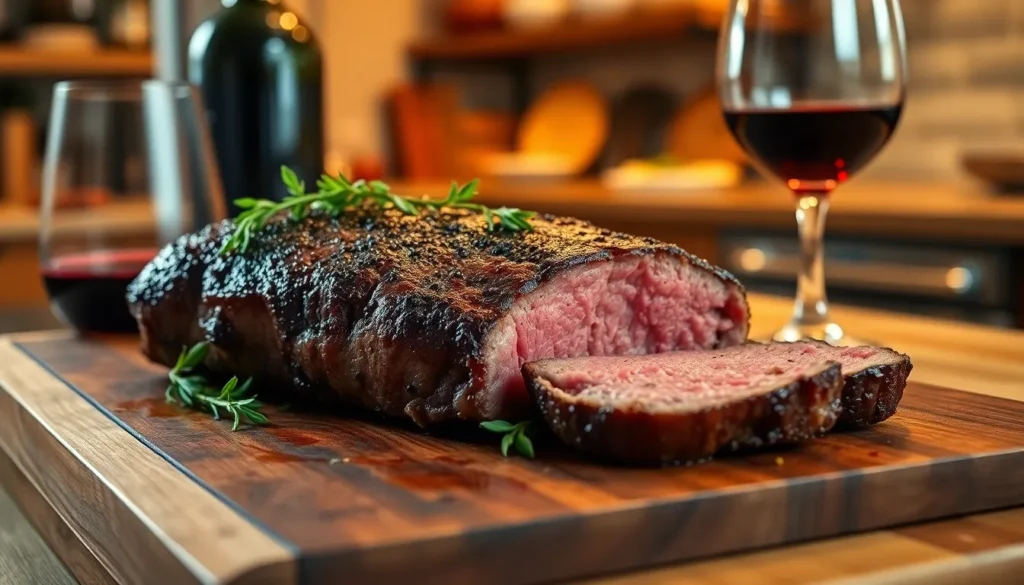
Imagine sinking your teeth into a perfectly cooked filet mignon, the kind that melts in your mouth and makes you feel like royalty. Cooking this tender cut of beef doesn’t have to be a daunting task reserved for fancy restaurants or special occasions. With a few simple steps and the right techniques, anyone can transform their kitchen into a five-star steakhouse.
The Basics of Filet Mignon
Filet mignon represents a tender and flavorful cut of beef. Understanding its qualities helps achieve a perfect meal.
Understanding Filet Mignon Cuts
Filet mignon comes from the tenderloin, a muscle that is not heavily exercised. This cut is known for its tenderness and subtle flavor. Typically, filet mignon steaks measure about 1.5 to 2 inches thick, perfect for oven cooking. Some steaks might include a chain of meat, often called the tail, which varies in thickness. Buyers can find filet mignon in varying sizes, ranging from 6 to 10 ounces, catering to different appetites.
Choosing the Right Filet Mignon
Selecting the right filet mignon ensures a delicious result. Look for steaks with bright red color and a fine texture. Marbling, which refers to the small streaks of fat within the meat, enhances flavor and tenderness. Grades such as USDA Prime and Choice signify higher quality. Prices may range based on these grades, helping buyers make informed decisions. Ordering from a reputable butcher often guarantees the freshest cuts, ensuring a satisfying cooking experience.
Preparing Filet Mignon for the Oven
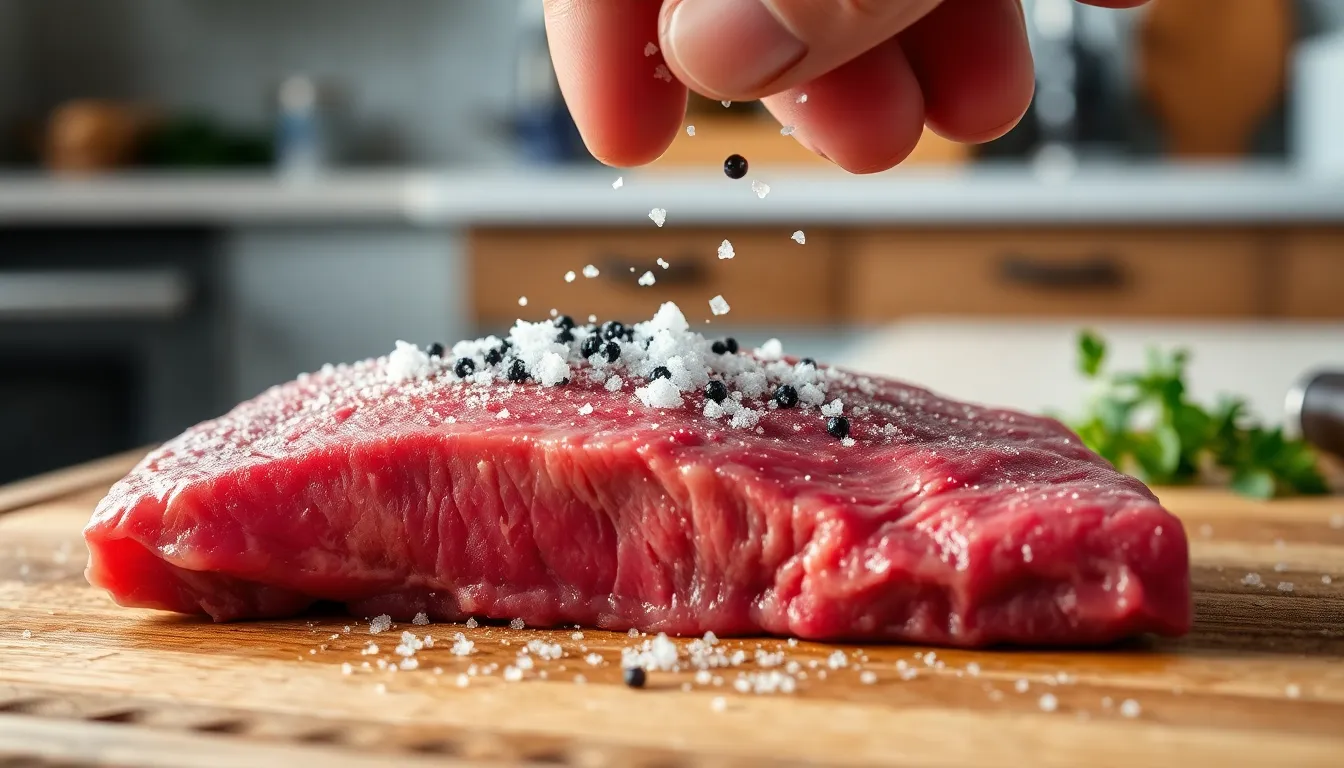
Preparing filet mignon for the oven involves two key steps: marinating or seasoning and choosing the right cooking oil.
Marinating vs. Seasoning
Marinating adds flavors and moisture. Typical marinade ingredients include olive oil, soy sauce, garlic, and herbs. For a simple approach, seasoning with salt and pepper works effectively. Seasoning enhances the steak’s natural flavors without overwhelming them. Opt for coarse sea salt and freshly cracked black pepper for optimal results. Aim to let the filet rest after marinating or seasoning, allowing flavors to penetrate the meat fully.
Choosing the Right Cooking Oil
Selecting an appropriate cooking oil is crucial for roasting filet mignon. High smoke point oils, such as avocado oil and grapeseed oil, withstand high temperatures while maintaining flavor. Olive oil offers richness, though it has a lower smoke point. For a balanced flavor, combining oils like butter and vegetable oil can create a nice finish. Ensure that the oil coats the steak evenly to promote browning.
Cooking Filet Mignon in the Oven
Cooking filet mignon in the oven offers a convenient way to enjoy this luxurious cut of beef. With the right techniques, anyone can prepare an impressive meal at home.
Oven Temperature and Cooking Times
Optimal results start with the right oven temperature. Preheat the oven to 400°F for best performance. Thicker filet mignon steaks, about 1.5 to 2 inches, typically require 20 to 25 minutes of cooking time. Cooking smaller steaks, around 6 to 8 ounces, may take 15 to 20 minutes. Monitoring internal temperature is vital; aim for approximately 130°F for medium-rare. A meat thermometer ensures precision, allowing for consistent outcomes.
How to Achieve Perfect Doneness
Achieving perfect doneness involves understanding internal cooking temperatures. Medium-rare ranges between 130°F and 135°F, while medium reaches 140°F to 145°F. Observing the steak’s color can also provide clues; a slight resistance when pressing with fingers indicates doneness. Resting the filet mignon for 5 to 10 minutes post-cooking allows juices to redistribute, enhancing flavor. Slicing into the steak before resting can cause moisture loss, impacting tenderness.
Serving Suggestions for Filet Mignon
Serving filet mignon involves thoughtful pairings that enhance its rich flavor and tender texture. Various sides and sauces complement this steak perfectly.
Pairing Sides and Sauces
Classic side dishes elevate the dining experience. Consider roasted garlic mashed potatoes for creaminess and richness. Grilled asparagus adds a fresh, vibrant contrast, while sautéed mushrooms introduce earthy notes. For sauces, a bold red wine reduction enhances the steak’s flavor. Alternatively, a creamy peppercorn sauce provides a spicy kick. These combinations highlight the filet mignon while ensuring a balanced plate.
Wine Recommendations
Pairing wine with filet mignon offers a delightful complement. Full-bodied options like Cabernet Sauvignon enrich the meal with their bold flavor profiles. Merlot also works, providing a softer, fruitier contrast. For white wine lovers, a rich Chardonnay matches well, especially with butter-based preparations. Consider these selections to create an enjoyable harmony between the beverage and the steak.
Cooking filet mignon in the oven is a rewarding experience that brings restaurant-quality meals right to the home kitchen. With careful selection of the cut and proper preparation techniques, anyone can master this elegant dish.
Understanding cooking times and temperatures ensures perfectly cooked steaks that are tender and flavorful. Allowing the filet to rest after cooking is essential for maximizing juiciness and taste.
Pairing the filet mignon with complementary sides and wines elevates the overall dining experience. Embracing this culinary adventure not only showcases cooking skills but also creates memorable meals to share with loved ones.