


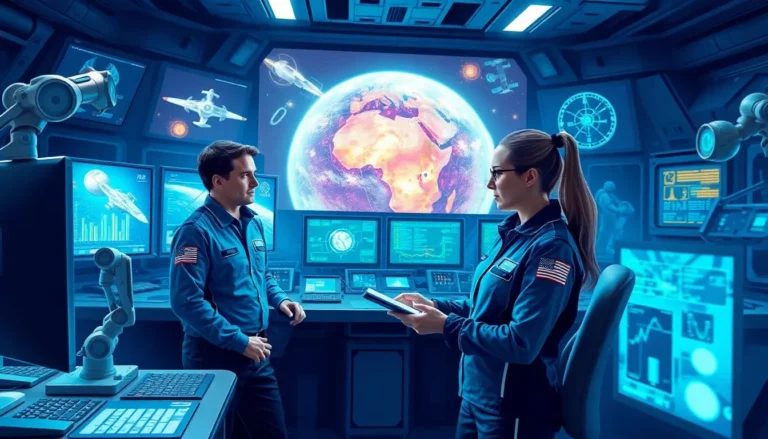


Space exploration isn’t just about astronauts floating around in fancy suits or sending robots to Mars. It’s a cosmic treasure hunt that brings unexpected benefits right back to Earth. From the tech in your smartphone to advancements in medicine, the innovations sparked by exploring the final frontier have a way of sneaking into everyday life.
Imagine a world without satellite navigation or weather forecasting. Sounds like a bad sci-fi movie, right? As humanity reaches for the stars, it also pulls down a wealth of knowledge and technology that enhances our lives. So buckle up and get ready to discover how space exploration not only fuels our curiosity but also boosts our economy, improves our health, and inspires the next generation of dreamers.
Overview of Space Exploration
Space exploration encompasses various missions that extend our understanding of the universe. Scientists and engineers collaborate to design spacecraft that gather data about celestial bodies. Innovations from these missions often translate into everyday technologies that enhance lives on Earth.
Robotics plays a critical role in space exploration, enabling humans to gather information from environments unsuitable for direct human oversight. Missions to Mars and beyond generate valuable geological and climatic data, helping inform climate science and planetary studies. Additionally, advancements in materials science from space projects contribute to diverse fields.
Satellite technology significantly impacts daily life. Communication satellites facilitate global communication, while weather satellites assist in accurate forecasting. These technological advancements are essential for disaster preparedness and infrastructure planning.
Healthcare also benefits from space exploration. Technologies developed for monitoring astronauts’ health in space lead to enhanced medical devices and practices on Earth. Telemedicine applications trace back to space research, enabling remote health consultations.
Educational outreach connected to space missions inspires future generations. Programs encourage students to pursue science, technology, engineering, and mathematics (STEM) careers, fostering innovation. Inspiration drawn from exploration captivates and motivates individuals to contribute to scientific progress.
Economic growth frequently follows investments in space exploration. Job creation spans multiple sectors, from engineering to manufacturing. Additionally, partnerships between government agencies and private companies fuel technological advancements and commercial opportunities.
Space exploration serves as a dynamic catalyst for technological development, health improvements, and educational inspiration, profoundly benefiting society.
Technological Advancements
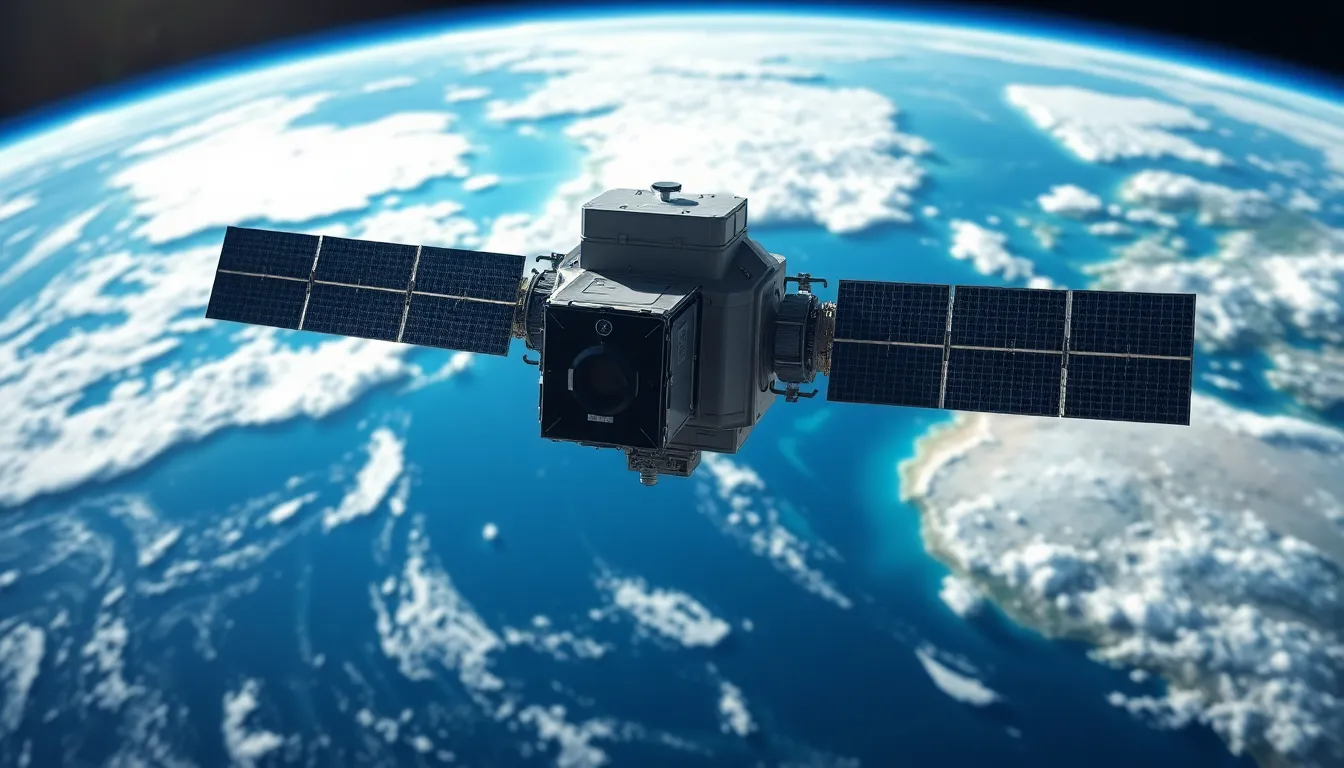
Space exploration drives significant technological advancements that benefit society in various ways. Innovations from these missions extend into everyday applications, ranging from communication to healthcare.
Communication Technologies
Satellite technology revolutionized communication networks. Satellites enable global positioning services and support direct-to-device connections. They allow real-time communication even in remote locations. Advancements in satellite systems have improved internet access, especially in underserved areas. Enhanced weather forecasting relies on data from these satellites, which aids in disaster preparedness. Effective communication technologies developed from space exploration enhance daily life and stimulate economic growth.
Medical Innovations
Medical devices often originate from space research developments. Technologies used for astronaut safety lead to improved diagnostic imaging systems. Advances in telemedicine make quality healthcare accessible even in rural settings. Space exploration spurs innovations in remote monitoring devices, which enhance patient care. Significant efforts in material sciences also yield biocompatible materials used in implants. Space-related research continues to redefine standards in medical technology, ultimately benefiting public health and treatment outcomes.
Economic Benefits
Space exploration significantly contributes to economic growth through various channels, including job creation and the emergence of new markets. The investment in space initiatives often leads to a substantial increase in skilled employment opportunities.
Job Creation
Job creation remains a direct benefit of space exploration. Industries related to aerospace see a boost whenever government contracts or private investments increase. Engineers, scientists, and technicians find ample opportunities within these sectors. According to the Space Foundation, the U.S. space industry supports over 1 million jobs. Growth in these roles often inspires workforce development programs, enhancing skills in science, technology, engineering, and mathematics.
New Markets and Industries
The development of new markets and industries stems directly from advancements in space exploration. Commercial space ventures have proliferated through initiatives like satellite launching and space tourism. Innovations in satellite technologies drive growth in communication services and earth observation applications. The global space economy reached approximately $447 billion in 2020, showcasing its potential. Launching products like miniaturized satellites and advanced propulsion systems creates pathways for businesses to thrive. Expansion into areas like asteroid mining exemplifies how space exploration paves the way for entirely new economic sectors.
Environmental Insights
Space exploration significantly aids in environmental understanding and preservation. By monitoring Earth from above, scientists gather critical data about climate patterns and environmental changes.
Climate Change Research
Space missions contribute to climate change research by providing essential satellite data. Satellites measure greenhouse gas emissions, track deforestation rates, and monitor ocean temperatures. These observations enable researchers to understand climate dynamics and predict future shifts. Tools like NASA’s Earth Observing System collect comprehensive data that informs policies and conservation efforts. Enhanced models created from this data improve accuracy in climate forecasting, supporting global initiatives to combat climate change.
Planetary Protection
Planetary protection plays a vital role in safeguarding Earth’s environment. Exploration missions assess potential threats from asteroids and comets, ensuring proper response strategies. Furthermore, understanding other planetary bodies helps researchers identify signs of life and assess risks of contamination. Missions to Mars and Europa offer insights into whether extraterrestrial environments can support life without jeopardizing Earth’s biosphere. Continuous exploration extends knowledge of cosmic risks and reinforces planetary defense strategies, ultimately enhancing global safety.
Educational Impact
Space exploration plays a significant role in education, sparking interest in science and technology. It engages students and fuels curiosity about the universe, encouraging them to explore the realms of space.
Inspiring Future Generations
Missions to outer space ignite passion among young learners. They often experience excitement from the achievements of astronauts and scientists, which inspires them to envision their futures in related fields. Events like SpaceX launches and NASA’s Mars rover landings serve as motivation, encouraging students to dream big. Programs that connect space missions with classroom activities help students grasp complex scientific concepts, making learning interactive and tangible. Such engagement can lead to many pursuing careers in engineering, physics, and other STEM disciplines.
STEM Advocacy
Space exploration actively promotes STEM advocacy in various ways. Initiatives designed to create programs emphasize practical applications of science and technology. Innovative outreach programs target underrepresented students, showcasing the importance of diversity in these fields. By developing resources and workshops, organizations make it easier for educators to teach about space-related topics. Collaborating with schools and communities allows for hands-on experiences that solidify students’ understanding. These efforts ensure that learning about space inspires practical skills, preparing students for future opportunities in technology and engineering sectors.
Space exploration serves as a powerful engine for societal advancement. By driving technological innovations and fostering economic growth it creates a ripple effect that touches every aspect of life. The insights gained from space missions not only enhance our understanding of the universe but also improve daily living through advancements in healthcare and communication.
Moreover the educational impact inspires future generations to pursue careers in science and technology. As society continues to invest in space exploration the benefits will only multiply. Embracing this journey not only enriches knowledge but also strengthens global collaboration and resilience. The future holds immense potential as humanity reaches for the stars.