




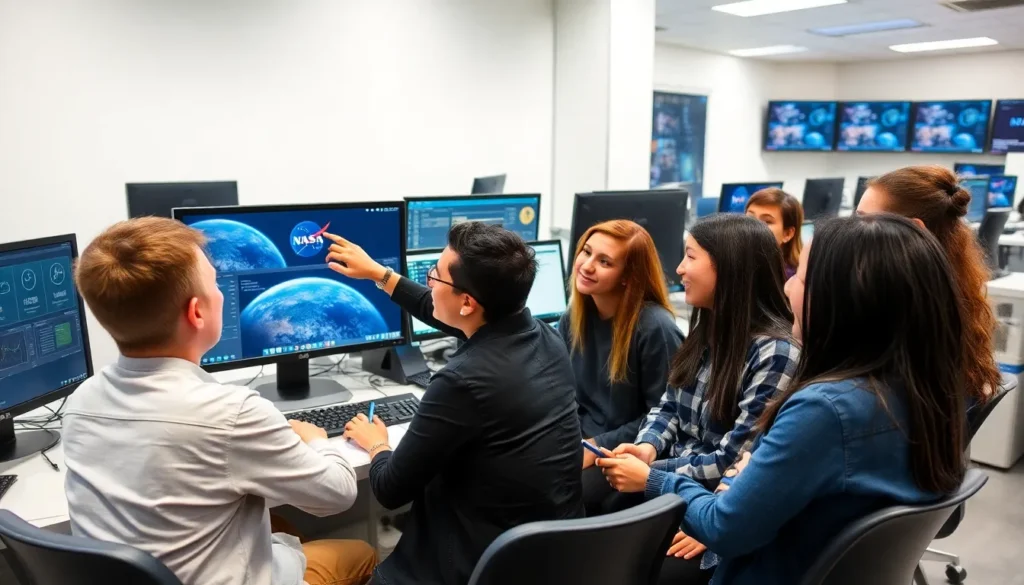
Dreaming of launching your career into the cosmos? The NASA JPL internship could be your ticket to the stars—literally! This prestigious program offers aspiring scientists and engineers a chance to work on groundbreaking projects that might just save the world or at least give you a cool story for your next dinner party.
Overview of NASA JPL Internship
NASA’s Jet Propulsion Laboratory (JPL) offers an internship program designed for undergraduate and graduate students. Participants gain hands-on experience in the fields of science, engineering, and technology. Each intern collaborates with leading experts, contributing to groundbreaking projects in space exploration.
The selection process is competitive, emphasizing academic performance and relevant coursework. Interns receive mentorship, guidance, and support, ensuring they develop new skills. Each internship lasts typically 10 to 16 weeks, aligned with academic calendars for convenience.
Projects vary, including work on Mars missions, satellite systems, and robotics. Interns often conduct research, analyze data, and help develop new technologies. Moreover, JPL provides networking opportunities with professionals in the aerospace sector.
Interns enjoy a dynamic environment that fosters innovation and creativity. Participants can expect to work on meaningful tasks that directly affect future missions. JPL’s reputation for excellence enhances the value of the experience, making it a noteworthy addition to any resume.
Ultimately, the NASA JPL internship presents a unique chance to contribute to humanity’s understanding of outer space. Aspiring scientists and engineers should consider applying to gain exposure to cutting-edge research and development. The opportunity promises to inspire and prepare the next generation of leaders in aerospace.
Types of Internships Offered
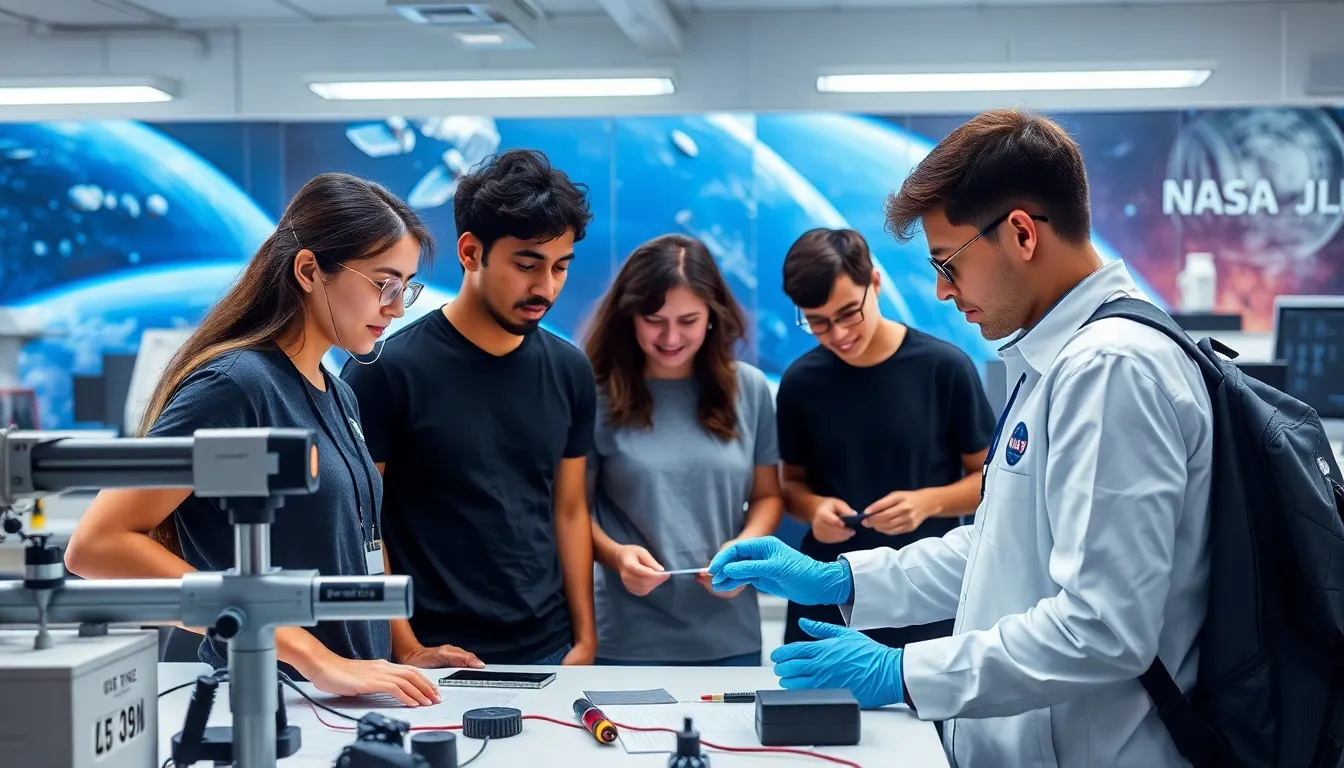
NASA JPL offers various internship types tailored for different educational levels, providing meaningful experiences for students passionate about space exploration.
Undergraduate Internships
Undergraduate internships target students pursuing bachelor’s degrees in science, engineering, and related fields. Interns engage in hands-on activities that include conducting experiments and analyzing data. They often collaborate with seasoned professionals on live projects related to planetary research and satellite technology. Through these internships, participants gain practical experience that enhances their academic knowledge. Opportunities exist in varying disciplines, such as robotics, computer science, and Earth sciences. Students benefit from structured mentorship, enriching their learning journey while contributing to significant projects that influence future missions.
Graduate Internships
Graduate internships cater to individuals enrolled in master’s or doctoral programs, focusing on advanced research and engineering challenges. Participants take on more complex projects, including algorithm development and system design. These internships aim to deepen expertise in specialized areas such as astrobiology, aerospace engineering, or data science. Networking with industry leaders becomes essential, facilitating future career opportunities. Moreover, interns conduct independent research that contributes to ongoing NASA JPL initiatives. Each experience helps refine critical thinking and problem-solving skills, essential for impactful careers in research and development.
Application Process
The application process for the NASA JPL internship requires attention to detail and timely submissions. Prospective interns must familiarize themselves with eligibility criteria and timelines.
Eligibility Requirements
Undergraduate interns must be enrolled in a bachelor’s program, while graduate interns need to be pursuing a master’s or doctoral degree. Academic performance holds significant weight in the selection process, requiring a strong GPA. Relevant coursework and practical experience enhance an applicant’s profile. Additionally, applicants should possess skills that align with JPL’s projects, such as engineering, computer science, or data analysis. International students may apply, provided they meet specific visa requirements.
Application Timeline
Application deadlines vary by session, typically structured for summer, fall, and spring internships. Summer internships often require applications submitted in late fall to early winter. Fall and spring deadlines generally occur several months in advance of the respective terms. Reviewing JPL’s official internship website offers insights into specific dates and detailed instructions. Timely applications enable candidates to secure early consideration, enhancing their chances for selection.
What to Expect During the Internship
Interns at NASA’s Jet Propulsion Laboratory engage in a variety of enriching experiences that significantly impact their professional development. Each intern’s journey involves hands-on work and collaborative environments.
Work Assignments
Work assignments vary widely, catering to both the specific skills of the interns and the needs of ongoing projects. Interns often contribute to Mars missions, satellite technology, and robotics initiatives. Specific tasks might include conducting experiments or analyzing large datasets. Many interns find themselves working on innovative solutions that push the boundaries of existing technology. Timelines for projects typically align with academic schedules, making it essential for interns to manage their time effectively. Engaging directly in live projects offers valuable insight into cutting-edge research and developments in aerospace.
Mentorship Opportunities
Mentorship opportunities play a vital role in the internship experience, providing guidance and support from seasoned professionals. Each intern is paired with a mentor who offers expertise in relevant fields. Regular check-ins foster an environment where advice and feedback are readily available. Experiencing personalized mentorship enhances skill development and career growth. Additionally, interns participate in various networking events, strengthening connections with professionals across the organization. Engaging with mentors helps interns navigate challenges and explores career paths in science and engineering.
Benefits of the NASA JPL Internship
The NASA JPL internship provides multiple advantages for students passionate about space exploration and technology. Interns gain hands-on experience, mentorship, and invaluable resources to propel their careers forward.
Professional Development
Interns enhance their skills through practical assignments relevant to their studies. Opportunities for conducting research and analyzing data translate academic knowledge into real-world applications. Participants collaborate with experts in cutting-edge projects, fostering deeper understanding in their fields. Personalized mentorship from seasoned professionals supports interns in developing their technical and soft skills. Feedback and guidance throughout the internship add significant value to career growth, preparing interns for future opportunities in aerospace and related sectors.
Networking Opportunities
Networking emerges as a key benefit during the internship program. Interns connect with established professionals in the aerospace industry, creating a robust foundation for future collaborations. Events organized by JPL facilitate interactions with fellow interns and experts, broadening their professional circles. Participants also engage in workshops and seminars that highlight career paths available within NASA and beyond. Building relationships at JPL can lead to mentorship, job offers, and referrals, significantly enhancing their chances of success in competitive job markets.
The NASA JPL internship stands as a gateway for aspiring scientists and engineers eager to make their mark in space exploration. With hands-on experience and mentorship from industry leaders, interns gain invaluable skills that enhance their career trajectories. The dynamic environment at JPL not only fosters innovation but also encourages collaboration among bright minds passionate about aerospace.
Interns emerge with a deeper understanding of complex projects while building a strong professional network. This unique opportunity to contribute to groundbreaking research and technology prepares them to tackle future challenges in the field. For those ready to embark on an extraordinary journey, the NASA JPL internship is a remarkable stepping stone toward achieving their dreams.