



Space technology isn’t just for astronauts and sci-fi movies; it’s the key to unlocking the universe’s secrets and solving earthly problems. From satellites that help you navigate your morning commute to rovers exploring Mars like they’re on a cosmic road trip, space tech has a hand in our everyday lives.
What Is Space Technology?
Space technology encompasses a broad range of tools, systems, and methods used for space exploration and research. It includes satellite communications, GPS navigation, and weather monitoring, all integral to modern life. Satellites orbit Earth, providing essential data for climate studies and disaster management. Rockets and spacecraft facilitate journeys beyond the atmosphere, enabling exploration of celestial bodies like Mars and the Moon.
Robotic missions demonstrate the potential of space technology. Rovers collect data and send images back to Earth, enhancing understanding of distant planets. Space telescopes like Hubble reveal the universe’s secrets, capturing breathtaking images and advancing astronomical knowledge.
Additionally, space technology contributes to telecommunications. It facilitates instant communication across the globe, from television broadcasts to internet connectivity. Innovations in this sector often lead to advancements in technology used on Earth.
Research in microgravity settings also yields significant insights. Experiments conducted aboard the International Space Station enhance scientific understanding across various disciplines, including biology and materials science. Such research can lead to breakthroughs with direct applications on Earth, addressing challenges in healthcare and manufacturing.
Advancements in space technology increasingly shape everyday life. Observations from outer space aid in resource management and environmental monitoring. The data collected influence decision-making related to agriculture, energy production, and urban planning.
Space technology not only furthers exploration but also enhances life on Earth. Its applications extend to numerous fields, ensuring relevance in both scientific and practical realms. Each innovation reduces human limitations, enriching exploration and improving daily living.
Key Components of Space Technology
Space technology includes several critical components essential for exploration and research. These components facilitate a multitude of applications that enhance life on Earth and improve our understanding of the universe.
Satellites
Satellites orbit Earth and gather vital data for various purposes. Communication satellites support global broadcasts, while weather satellites monitor atmospheric conditions, providing forecasts that save lives during disasters. Earth observation satellites enable environmental management by tracking deforestation and pollution. Furthermore, navigation satellites, such as GPS, improve travel and logistics by ensuring precise location data. Satellite technology has become indispensable, impacting industries like agriculture, transportation, and emergency response.
Launch Vehicles
Launch vehicles, commonly known as rockets, deliver payloads into space. They play a crucial role in transporting satellites, instruments, and crewed spacecraft beyond Earth’s atmosphere. Different types of launch vehicles exist, including expendable and reusable options. The Falcon 9, developed by SpaceX, represents a notable innovation in reusability, reducing costs associated with space missions. Each launch vehicle is engineered for specific missions, whether inserting satellites into orbit or enabling interplanetary exploration.
Spacecraft
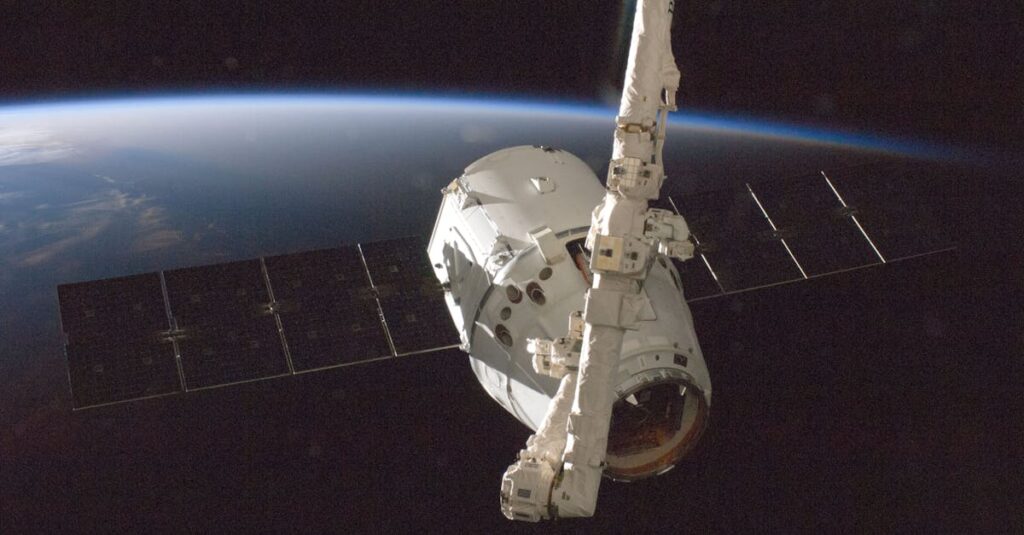
Spacecraft serve various functions, from crewed missions to robotic exploration. Crewed spacecraft, like the Orion capsule, transport astronauts to destinations beyond low Earth orbit. Robotic spacecraft, such as Mars rovers, explore distant planets, collecting data fundamental for scientific research. Various spacecraft designs focus on specific missions, including landers, orbiters, and probes. Technology aboard these vehicles continues to advance, ensuring more extensive and detailed exploration of celestial bodies. Innovations enhance communication, navigation, and data collection capabilities, driving progress in space research.
Applications of Space Technology
Space technology influences various sectors, providing innovative solutions while enhancing life on Earth.
Communication
Communication relies heavily on satellite technology for seamless global connectivity. Satellites facilitate instant communication, affecting television broadcasts and internet access. Systems like GPS use satellites for precise navigation, assisting users in daily activities. Innovations in satellite technology improve reliability and bandwidth, supporting an ever-growing demand for data. Moreover, advancements in communication technology enhance emergency response coordination, ensuring information reaches critical areas quickly.
Earth Observation
Earth observation through satellites plays a crucial role in monitoring environmental changes. Satellites gather data for climate studies, helping predict weather patterns and manage natural disasters. Insights from Earth observation contribute significantly to agriculture, enabling farmers to optimize crop yields based on weather forecasts. Furthermore, data collected supports urban planning and resource management, aiding decision-making across various industries. Environmental monitoring benefits from real-time data, improving the ability to address issues like deforestation and pollution.
Space Exploration
Space exploration utilizes advanced technology to uncover the mysteries of the universe. Robotic missions, such as rovers on Mars, gather invaluable data and images, enhancing understanding of planetary conditions. Crewed spacecraft contribute to long-duration missions, providing insights into human adaptability in space. Technologies developed for space exploration often find applications in healthcare, improving medical devices and techniques. Innovations in propulsion and materials science support further discoveries, continually expanding the boundaries of human knowledge.
Future of Space Technology
The future of space technology promises groundbreaking developments that will redefine exploration and enhance life on Earth. Innovations continue to emerge, expanding capabilities while tackling terrestrial challenges.
Innovations on the Horizon
Innovations like reusable rockets and autonomous spacecraft are set to revolutionize access to space. SpaceX’s Starship aims to simplify interplanetary travel, enabling missions to Mars and beyond. Advanced propulsion systems, such as ion drives, may drastically reduce travel time within our solar system. Artificial intelligence enhances spacecraft autonomy, enabling complex operations with minimal human intervention. Furthermore, in-orbit manufacturing could lead to the construction of satellites and habitats in space, minimizing reliance on Earth-based resources.
Challenges and Opportunities
Challenges in space technology include high costs and the need for sustainable practices. Developing technologies that lower launch expenses is essential for broader participation in space endeavors. Environmental impact from rocket launches raises concerns that must be addressed. However, opportunities in satellite deployment for climate monitoring and global communications present significant potential. International collaboration on space missions promotes shared knowledge and resource allocation, ultimately benefiting all nations involved. Leveraging public-private partnerships can accelerate innovation and scale capabilities in a rapidly evolving sector.
Space technology is a powerful force shaping the future of exploration and everyday life. Its applications extend far beyond the cosmos, impacting essential services like communication and environmental monitoring. As innovations continue to emerge, the potential for improving life on Earth grows exponentially.
The advancements in reusable rockets and autonomous spacecraft promise to revolutionize interplanetary travel. With ongoing research in microgravity leading to breakthroughs in healthcare and other fields, the benefits are clear. Space technology not only unravels the mysteries of the universe but also enhances the quality of life for people around the globe. As this field evolves it will undoubtedly remain a cornerstone of scientific progress and practical solutions.